
7 Steps To Building A Thriving Career Coaching Business
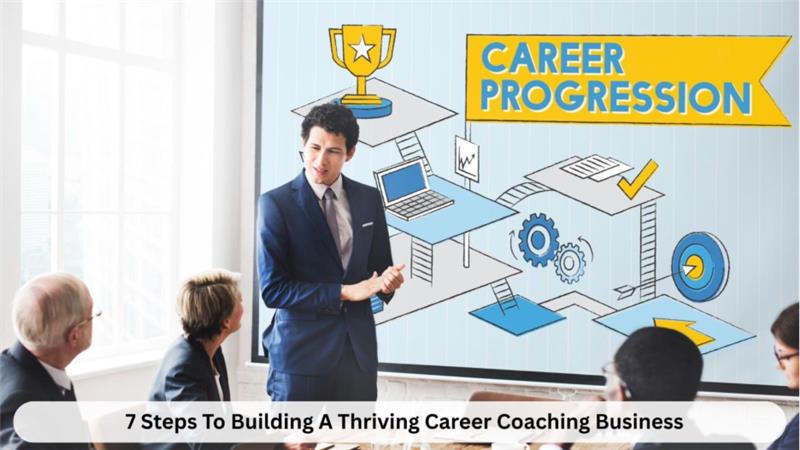
Help others discover their purpose while building the business you love.
While a fulfilling career is about more than climbing a ladder, it involves finding your way, a sense of purpose, and balance. For this reason, career coaching has become one of the most fulfilling career paths for people looking to help others make a meaningful difference.
Increasingly, more people are seeking assistance in changing careers, gaining genuine confidence, and setting goals that align with their authentic selves. As a career and business coach, you can help them connect the dots between their current situation and their desired future.
If this sparks your desire to help others grow, learning to be a career coach may be the beginning of an extraordinary adventure. This is a profession that strikes a balance between empathy and structure, informed by strategy. The best answer is that you can build a business that aligns with your values and purpose.
Let’s now review seven steps to develop a successful career coaching business.
1. Discover Your Purpose and Passion
Before planning your services, take time to understand why you want to coach. Perhaps you have overcome challenges in your own professional life or found clarity after years of uncertainty. Those experiences give you a foundation of empathy and trust.
When you know your ‘why’, everything else falls into place effortlessly; it’s easier to resonate with clients and help them toward success. Many coaches begin their journey through times of introspection and reflection.
After understanding your “why,” you can start shaping up to be the kind of coach you want to be, whether that’s a career coaching specialist or someone who helps clients navigate leadership and transitions.
Your passion is your compass: it guides how you work, who you serve, and what impact you create.

2. Invest in Professional Training
One needs much more than a good ear and empathy to become a successful career coach. Professional training gives you a structured approach, tried-and-tested techniques, and the confidence to handle even the most complex conversations.
In accredited coaching programs, you learn to set goals, create accountability systems, and communicate effectively. You will also be taught the ethical foundation that every professional coach should possess.
Knowing how to become a career coach isn’t just about getting certified, but about developing the mindset of a real guide. Training helps you understand human behavior, motivation, and the emotional blocks that often prevent clients from moving forward.
3. Design Your Coaching Services
With your training complete, now is the time to design your career coach services: who you will serve and what problems you can help solve.
Some may require guidance in finding a new career path, while others need assistance with leadership development or building confidence within their current roles. Or you could combine your skills and work as a career and business coach, mentoring professionals interested in founding or expanding their own companies.
Your services must reflect your expertise and passion. So, start simple: offer one-on-one sessions, small group programs, or online coaching packages. Over time, you could grow into workshops, digital courses, and mentorship programs.

4. Build Your Brand and Online Presence
Today, having a strong online presence is crucial for your business to grow faster; clients typically find coaches through websites, social media, and word of mouth.
If you are learning how to start a career coaching business, first create a simple website that shares who you are and what you do. Keep your tone personal and authentic; people connect with real stories more than perfect sales pages.
Share informative content that educates and encourages. You can write even short posts about job interviews, building confidence, or work-life balance. The more value you offer, the easier it will be for clients to trust you.
Your brand is not about pretty pictures; it is about being consistent and developing a connection. Show up authentic, and your ideal clients will find you.
5. Build Meaningful Client Relationships
Coaching relies on trust: the better the relationship with your clients, the more they open up and grow. As you start working with clients, practice deep listening. Everyone has a unique story, and understanding their special needs allows you to provide them with proper guidance. In fact, a great career coach does not give advice; rather, they ask questions that bring clarity.
Be sensitive and patient: some clients may fear change, while others may have to rebuild confidence. Your job is to provide a safe and supportive environment for clients to explore new options.
The more you build relationships based on trust, the more your reputation grows. Clients who feel understood often refer others, and that is where a coaching business truly thrives.

6. Grow Your Expertise and Keep Learning
Growth does not stop even after certification is achieved. The best coaches maintain their curiosity and openness to learning. Attend workshops, join professional networks, and continue reading about leadership, psychology, and communication.
Continuous learning keeps your perspective fresh. It also helps you adapt to changes in the workplace and new coaching techniques.
If you are integrating career coaching into entrepreneurship, also keep learning about business evolution. The capability to scan and understand various industries and roles makes you an even more effective career and business coach..
7. Know Your Worth and Grow Your Income
Of course, once you start gaining clients, it’s natural to think about how much a career coach makes. Earnings are definitely influenced by experience, niche, and location. While some new coaches start part-time, others evolve into full-time professionals with established client bases.
The more your reputation builds, the higher your value. Many successful coaches diversify their income streams through one-on-one sessions, online courses, and corporate workshops. As time passes, you can build a stable and fulfilling coaching business that will grow year after year with dedication and consistency.
Integrative Coaching Connection
Are you ready to start your career as a qualified career coach?
Through Integrative Coaching, you’ll learn to weave emotional intelligence, structure, and purpose into a powerful combination enabling the growth of others with clarity and confidence.
Conclusion
It takes more than skill to build a successful career coaching business; it takes heart. It’s about listening, connecting, and helping others unlock their best selves.
When you are working in alignment with your purpose, every coaching session becomes more than a conversation; it’s a step toward transformation.
So, if you feel the calling to help others grow, take that first step. Reflect, train, and begin. The world needs more caring coaches who lead with authenticity.
Frequently Asked Questions
1. How do I become a career coach?
A career coach completes accredited training, gains practical experience, and learns how to guide clients through a career transition.
2. How much does a career coach make?
Earnings depend on the coaches’ experience and niche. Most coaches begin part-time, and as they establish their name and reputation, they can earn a consistent full-time income or more through a variety of coaching services.
3. How to start a career coaching business?
Start by getting certified, defining your niche, creating simple coaching packages, and building an online presence that attracts the right clients.